It appears that your cart is currently empty

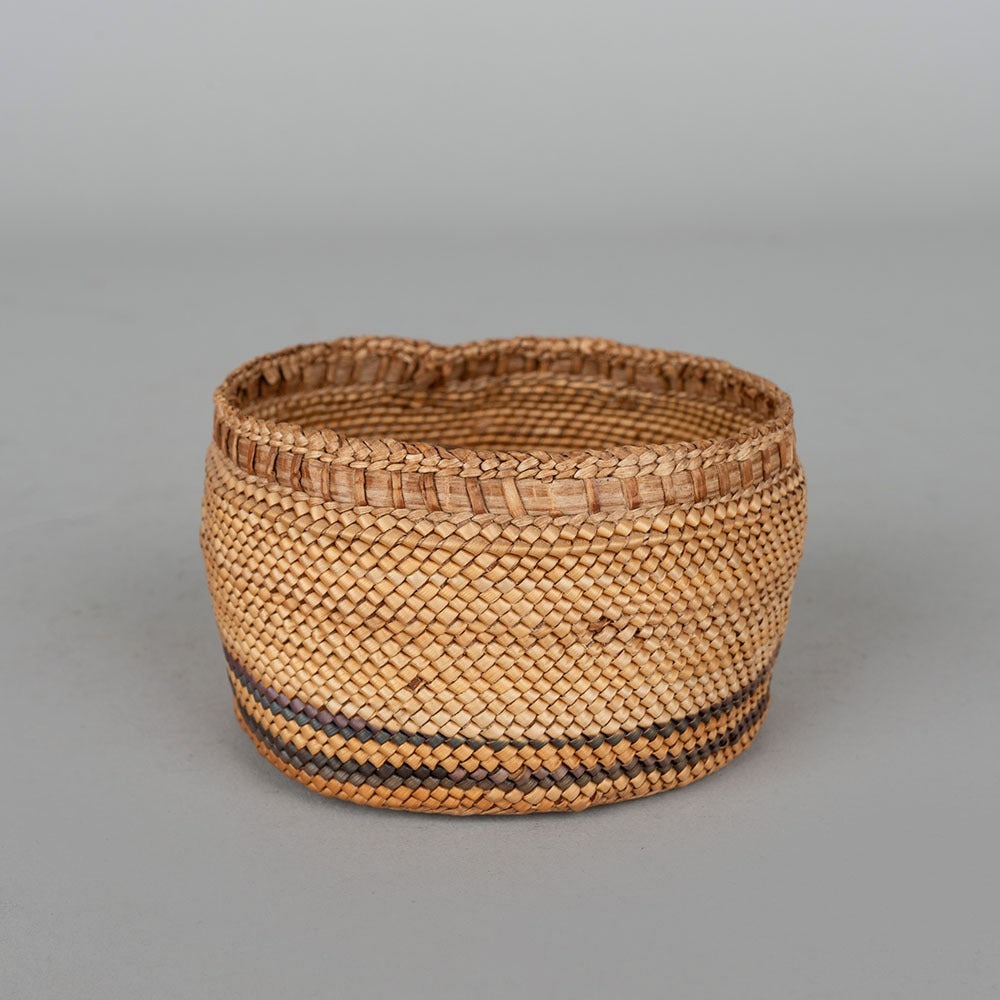
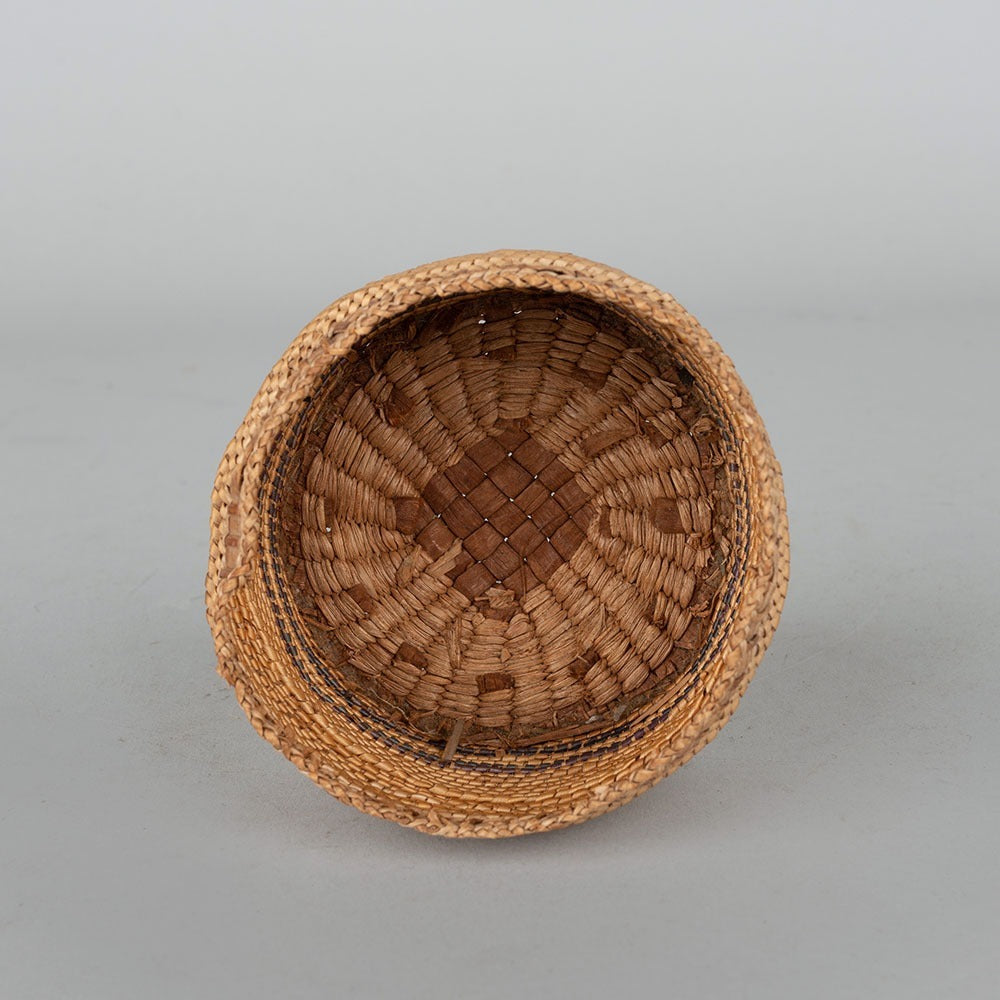
Eagle Napkin Ring
Artist Unknown (Northern Coastal)
Indigenous artwork on the Pacific Northwest Coast often incorporates figures and animals that are...
Indigenous artwork on the Pacific Northwest Coast often incorporates figures and animals that are related to crest symbols. Crests have been passed down through families and have varying meanings depending on the context and association with a nation, clan, or family. The figures depicted in contemporary Northwest Coast Indigenous artwork also have varying meanings but there are some common characteristics from a range of sources, including oral histories and artist descriptions.Eagle is an e...
$3,500.00
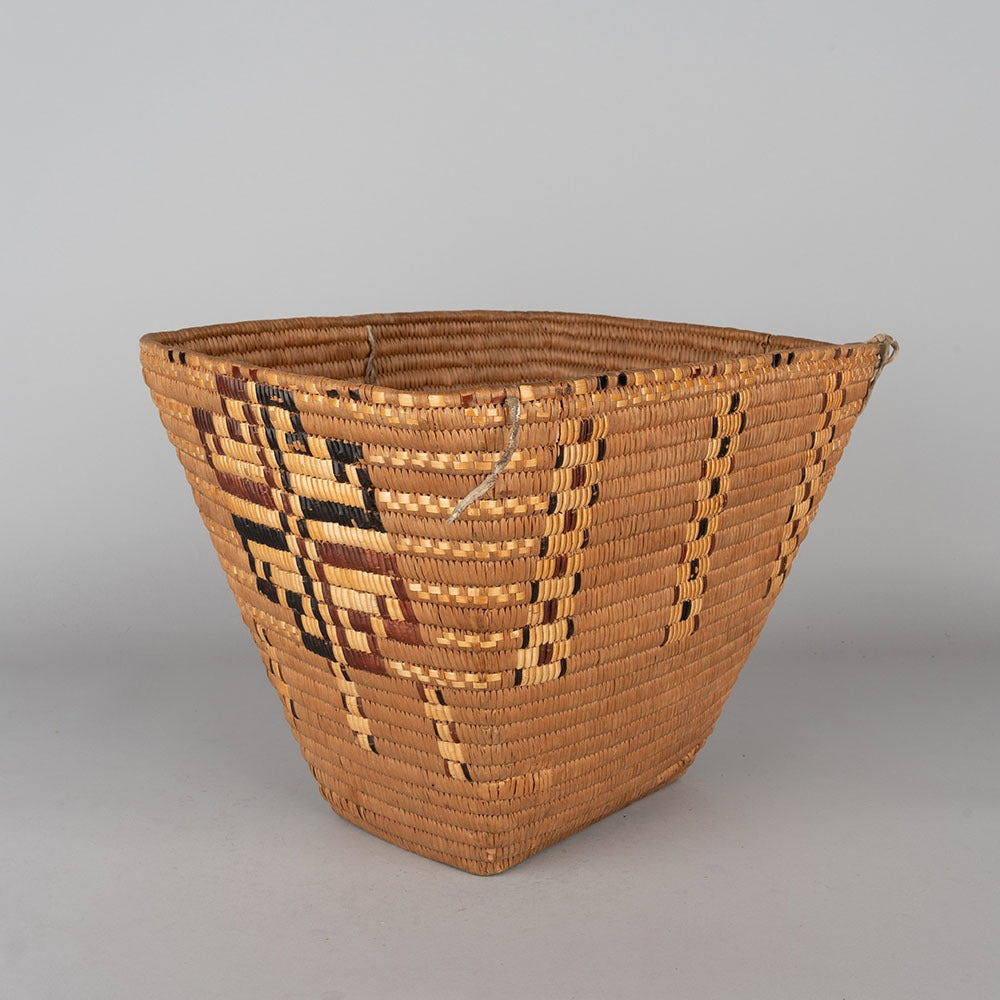
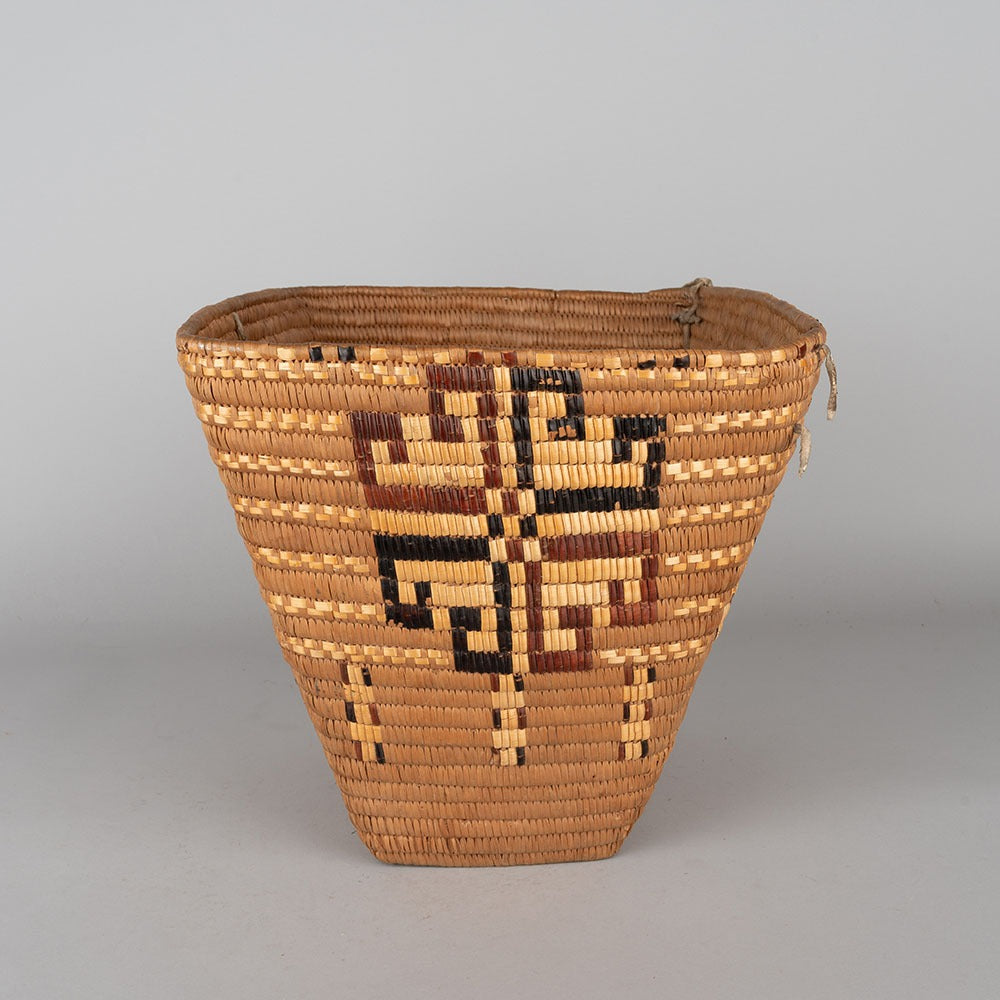
Sea-Monster Canoe Bowl
Artist Unknown (Kwakwaka'wakw)
c. 1880To watch Kwakwaka'wakw community curators Barb Cranmer and William Wasden Jr. discuss the ...
c. 1880To watch Kwakwaka'wakw community curators Barb Cranmer and William Wasden Jr. discuss the significance of 'Namxxelagayu (Sea Monster) click here."A wide variety of animal imagery appear on dishes and bowls, and hosts of potlatches compiled large collections of dishware featuring crests of both family and clan" (Shearar 2000: 38) Understanding Northwest Coast Art: A Guide to Crests, Beings and Symbols
$4,600.00
Historic Silver Eagle Bracelet
Artist Unknown (Northern Coastal)
Indigenous artwork on the Pacific Northwest Coast often incorporates figures and animals that are...
Indigenous artwork on the Pacific Northwest Coast often incorporates figures and animals that are related to crest symbols. Crests have been passed down through families and have varying meanings depending on the context and association with a nation, clan, or family. The figures depicted in contemporary Northwest Coast Indigenous artwork also have varying meanings but there are some common characteristics from a range of sources, including oral histories and artist descriptions.Eagle is an e...
$12,000.00
Argillite Panel Pipe
Artist Unknown (Haida)
c. 1850The history and tradition of argillite carving can be seen through the individual reflecti...
c. 1850The history and tradition of argillite carving can be seen through the individual reflection of each piece. The Haida word for argillite is Kwawhlhal. Argillite is a type of rock that is transitional between slate and shale. Only found on the Islands of Haida Gwaii at the Slatechuck site, located near Skidegate Inlet. Slatechuck is a five-kilometer hike from the inlet and is owned and controlled by the Haida people “Chuck” is the Chinook Jargon word for water, “saltchuck” means salty w...
$28,000.00
Historic Multi-Figure Pipe
Artist Unknown (Haida)
The history and tradition of argillite carving can be seen through the individual reflection of e...
The history and tradition of argillite carving can be seen through the individual reflection of each piece. The Haida word for argillite is Kwawhlhal. Argillite is a type of rock that is transitional between slate and shale. The quarry for Haida argillite is found on the Islands of Haida Gwaii at the Slatechuck site, located near Skidegate Inlet.Following contact with European traders, argillite carving evolved into a major trade activity. Depending upon the preference of the artist, argillit...
$9,000.00
Mountain Goat Horn Spoon
Artist Unknown (Tlingit)
c. 1890 Indigenous artwork on the Pacific Northwest Coast often incorporates figures and animal...
c. 1890 Indigenous artwork on the Pacific Northwest Coast often incorporates figures and animals that are related to crest symbols. Crests have been passed down through families and have varying meanings depending on the context and association with a nation, clan, or family. The figures depicted in contemporary Northwest Coast Indigenous artwork also have varying meanings but there are some common characteristics from a range of sources, including oral histories and artist descriptions.Kil...
$1,800.00
Feast Spoon
Artist Unknown (Northern Coastal)
This spoon is carved with a figure who holds a basket in one hand and a knife in the other. This ...
This spoon is carved with a figure who holds a basket in one hand and a knife in the other. This is unusual as most feast spoons are decorated with more common clan crests. It is rare to find a spoon with specific imagery like this. There are numerous styles of spoon-like objects used ceremonially on the Northwest Coast, the most common being made of goat horn, which are either entirely black or made with a combination of black horn for the handle and a lighter horn for the spoon.Along with f...
$3,200.00
Killer Whale Spoon
Artist Unknown (Northern Coastal)
The bowl of this spoon is carved on both the front and the back. This is unusual. Most feast spoo...
The bowl of this spoon is carved on both the front and the back. This is unusual. Most feast spoons have carved handles but the bowl is left untouched. The interior depicts a Killer Whale and the exterior depicts a Raven. Indigenous artwork on the Pacific Northwest Coast often incorporates figures and animals that are related to crest symbols. Crests have been passed down through families and have varying meanings depending on the context and association with a nation, clan, or family. The f...
$2,000.00
Raven Halibut Hook
Artist Unknown (Northern Coastal)
Indigenous artwork on the Pacific Northwest Coast often incorporates figures and animals that are...
Indigenous artwork on the Pacific Northwest Coast often incorporates figures and animals that are related to crest symbols. Crests have been passed down through families and have varying meanings depending on the context and association with a nation, clan, or family. The figures depicted in contemporary Northwest Coast Indigenous artwork also have varying meanings but there are some common characteristics from a range of sources, including oral histories and artist descriptions.Raven is one ...
$3,800.00